I’m playing with a new AI project, and it’s forcing me to get really clear on what makes “good learning material.” So I’m doing this publicly, probably over several posts.
I'm starting tonight with a no-wrong-answer kind of question : what learning materials have really made a difference in my life?
One comes to mind immediately: Le Théâtre raconté aux jeunes, André Degaine (and its adult version : Histoire du Théâtre Dessinée, same author, more content)
It's a FANTASTIC book about the history of drama (tough word to translate, but by drama I mean, drama on stage, Shakespeare and all that). This book made such an impression on me that it's one of the books I first bought back after my Great Breakup in which I lost all my books.
I'll include a few pictures, because it's just so incredible.
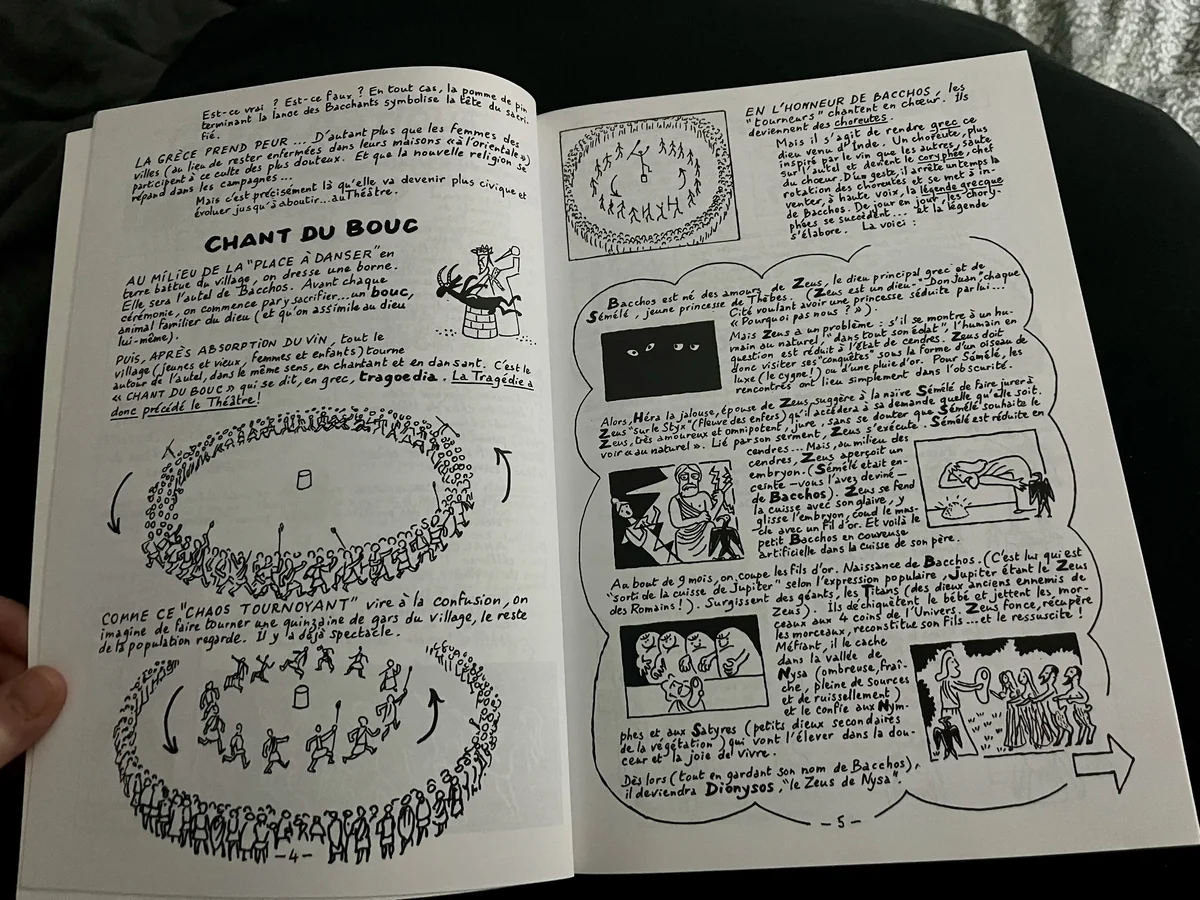
The black and white, hand-drawn illustrations, handwritten format, made it FUN to browse. Non-formal. Explaining concepts visually. It made an impression. To this day, I think of the little round dance goat cult drawing when someone mentions the word tragedy.
I've never seen another educational book quite like this one.
And it doesn't use its informal format as an excuse not to be thorough. It has a point of view, it's full of facts and references. It has pictures (why don't A LOT MORE educational and nonfiction books have more pictures?), and it even has a map of all that was covered at the end.
I discuss map-making for creators in my book Organons (still only available in French for now). But essentially, I think making metaphor-maps is really one of the best things you can do for retention, and global understanding.
This river-map here is especially useful.
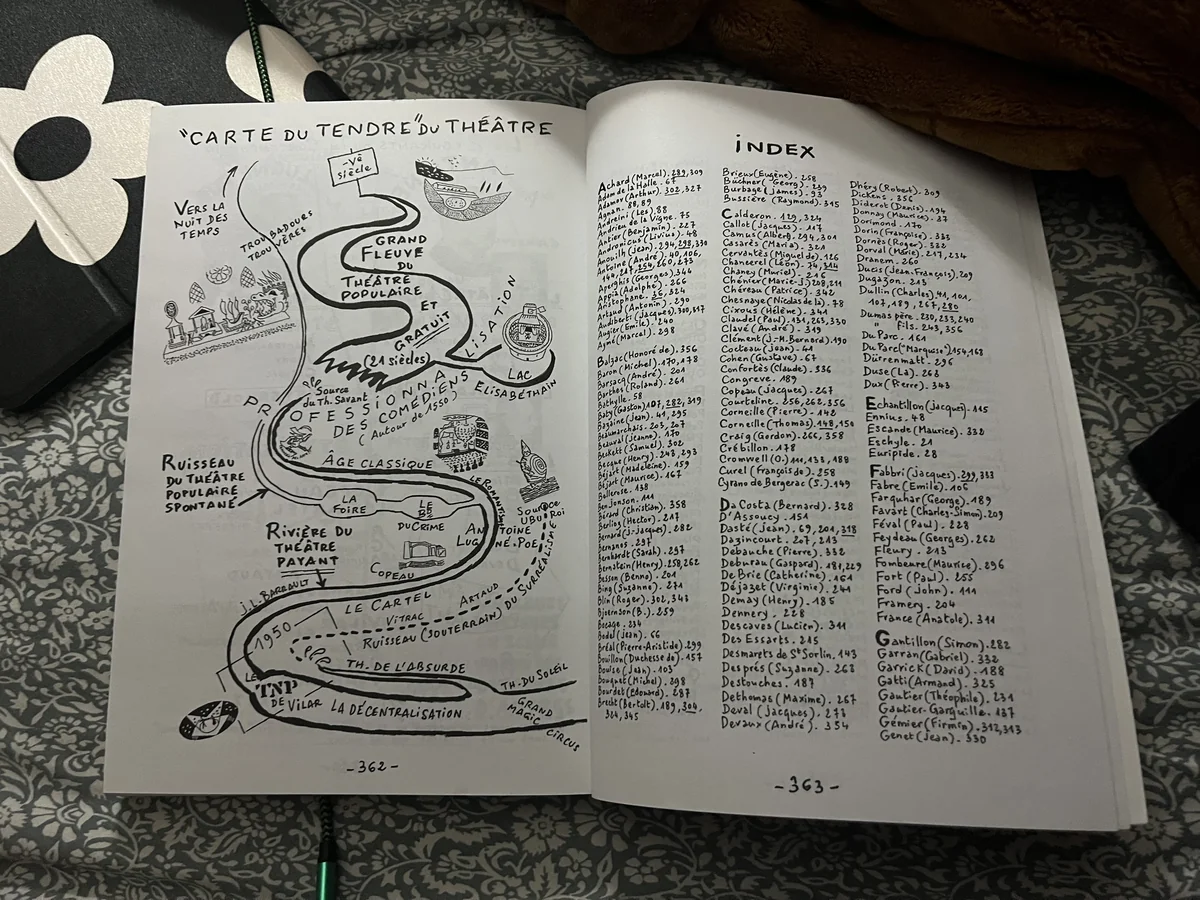
It's really my gold-standard for learning.
It was the way it treated me as a curious person rather than a student to be lectured. It explains, doesn't assume I have the background, is pleasant without trying too hard to be humorous. It’s made the content the actual story (as opposed to the modern sin of storytelling: trying to fit the content into a story).
Now that I have the book on my laps, I'm also realizing that what keeps me interested to keep on reading is that the layout changes to match what it is teaching.
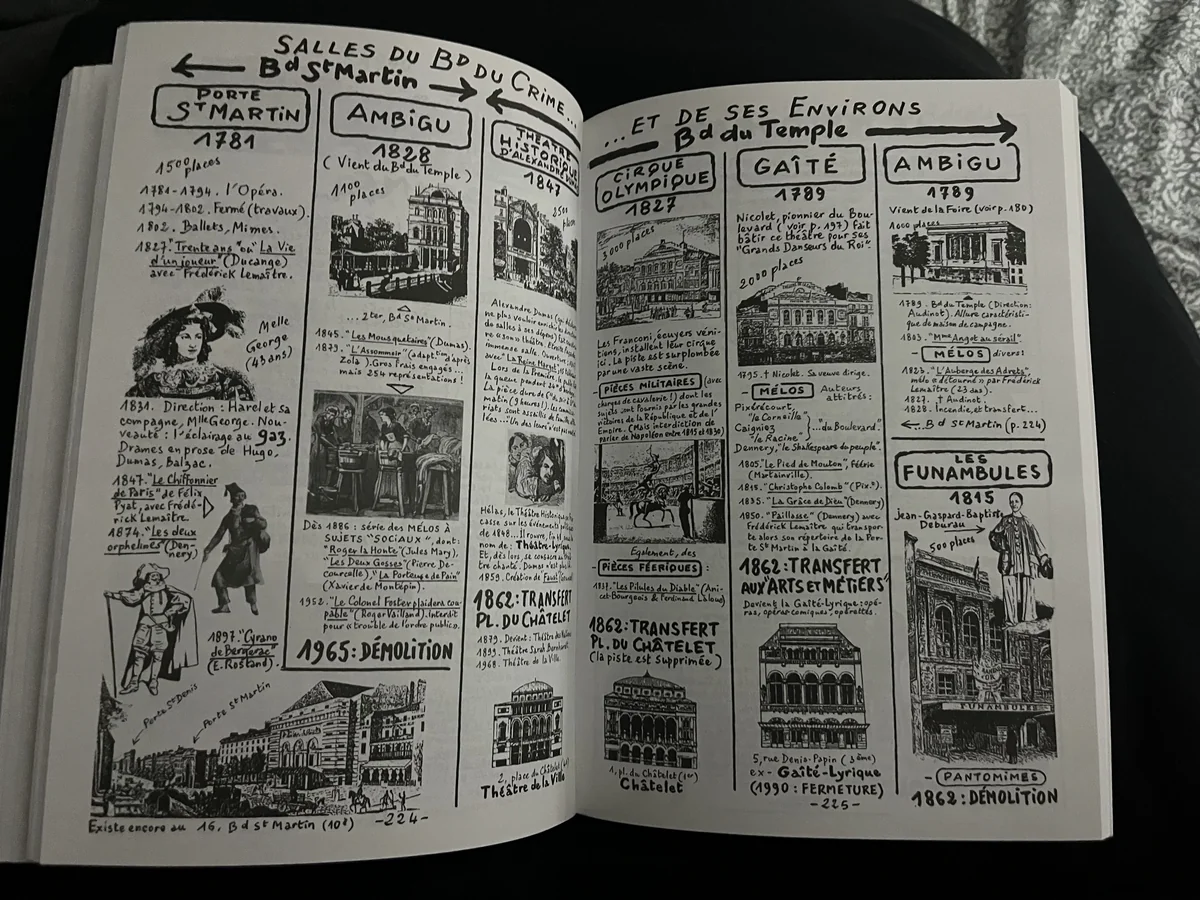
It makes comparison easy. Which helps both with big-picture understanding and also detail retention.
That's actually my biggest headache with AI HTML-making so far (and with the specific tool I'm trying to build). Ai is either too strict or too random in its layout choices. It will either do the same trick over and over again, or just make something pretty looking. It doesn't automatically ask itself what the material requires.
Oh oh another related learning material waaay way back in my childhood is a series of visual books called L’Imagerie.
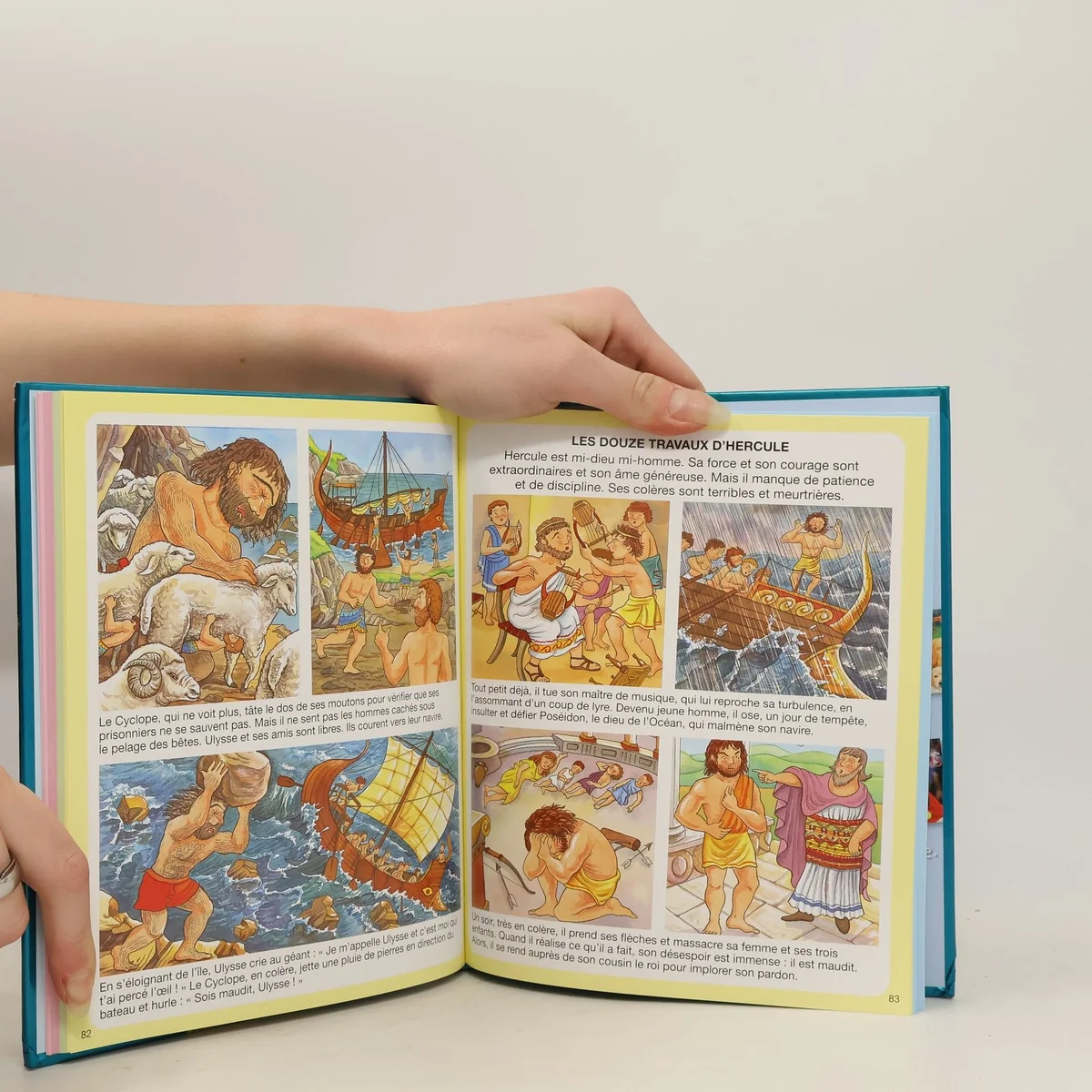
Each book had a theme and a series of chapters about specific elements of the themes. Kind of like small specialized encyclopedias.
I credit a lot of my early general knowledge to these. They were such a pleasure to browse. My favorite was the one about fairies and witches. Full of short tales, different kinds of witches around the world and some DIY for Halloween. I felt immersed into a wide world of wonders.
The one about history really helped me visualise French history on a timeline. Something schools don’t do much because they are focused on one chapter at a time rather than the whole book.
Again here this sense of big picture, short contained sections, and specific details. Along a strong visual dimension.